Slate Repiping Columbus:Repiping and Pipe Repair in Columbus, Ohio, house by house and street by street.
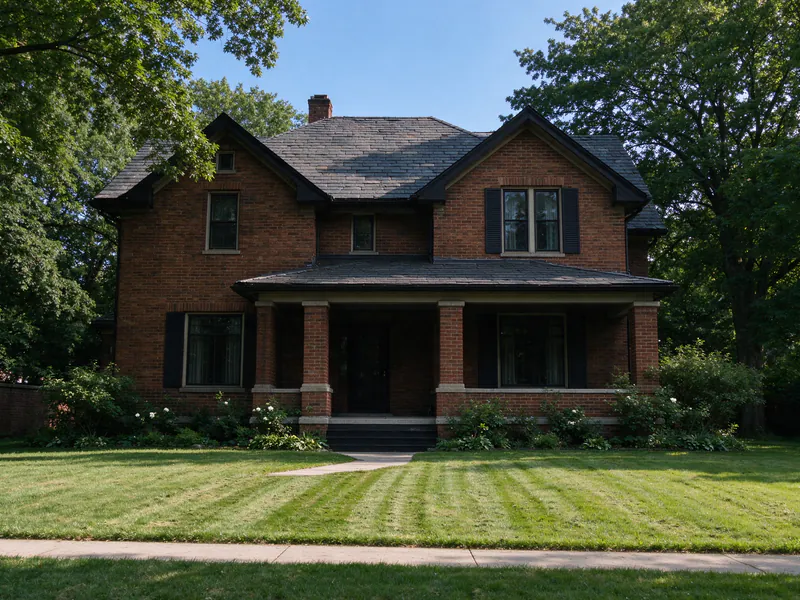
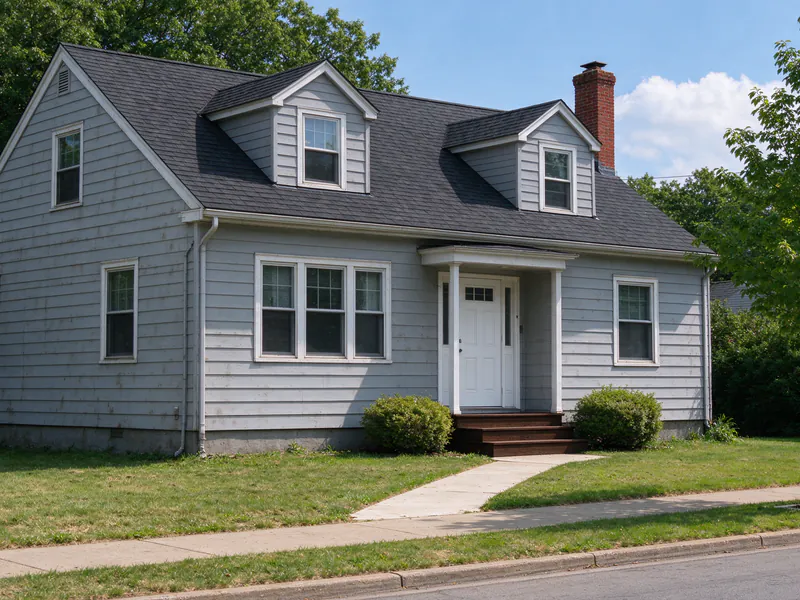
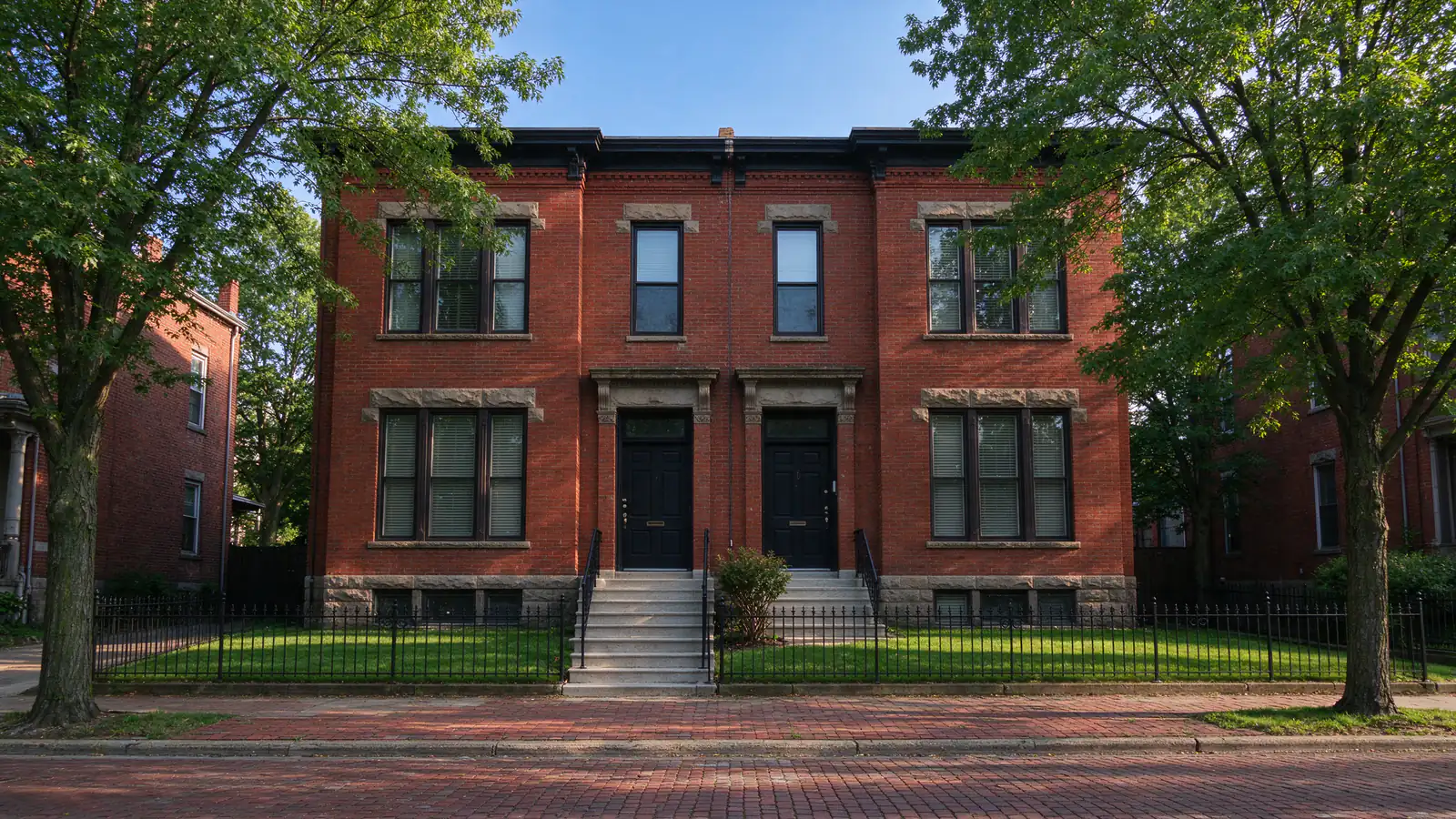
A German Village brick double, a Clintonville Cape Cod and a Bexley foursquare were piped in different decades and are failing in different ways. Slate Repiping Columbus plans repipes and pipe repairs around the house in front of it: its basement, its plaster and the permit office that covers its street.
24/7 emergency response for burst pipes, active leaks and water line breaks
Ohio Plumbing Code built on the 2021 International Plumbing Code, which lists PEX and copper
$275 City of Columbus plumbing permit for a 1, 2 or 3 family home, two inspections
5.7 to 7.3 grains Columbus tap water hardness after the City's lime softening
Service line is the City's program; the pipe inside the house is the owner's
Pressure test of the new piping before any wall closes
Why people call
Four ways a Columbus repipe usually starts
None of these proves the whole system has to go. Each is a reason to trace the pipe from the meter and decide with the facts in hand.
The inspection report says galvanized
A buyer's inspector found threaded steel in the basement, and the sale now hinges on what replacing it would involve and cost.
The City is replacing your service line
Columbus swaps lead and galvanized service lines up to the house. The galvanized pipe inside the walls stays unless someone plans for it.
Another pinhole in the copper
A second or third leak in the same run, often on a horizontal line in the basement ceiling, and patching starts to cost more than it saves.
The remodel opened a wall
Kitchen or bath work exposed old supply pipe. With the wall already open, replacing it now costs less than coming back later.
What we replace
Repiping services in Columbus
Slate Repiping Columbus offers and manages repiping, pipe repair and service line work across Columbus and nearby Franklin County communities. The work is carried out by licensed and insured plumbing contractors.
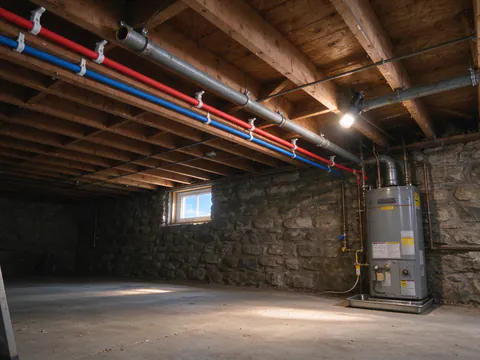
Whole-house repiping
Every hot and cold supply line from the main shutoff to the fixtures, replaced in PEX or copper, pressure tested and inspected under a City or suburban plumbing permit.
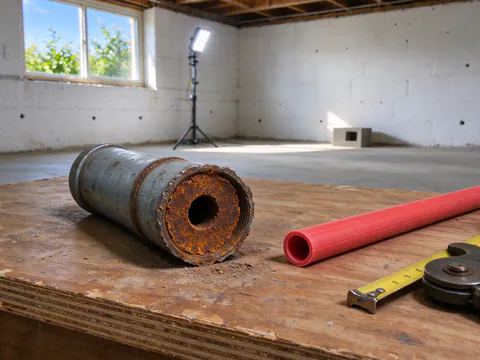
Galvanized pipe replacement
Old threaded steel water pipe inside the house replaced with PEX or copper, with the transitions, the loosened scale and the flush handled as part of the job.
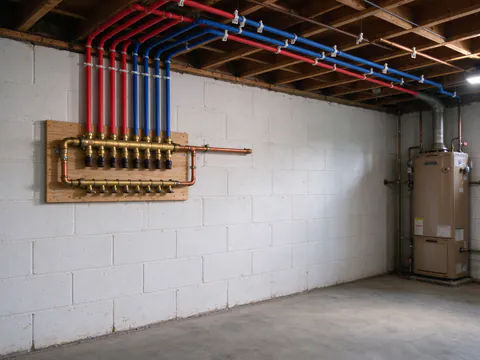
PEX repiping
A repipe in crosslinked polyethylene tubing, with the tubing type, fitting system and layout chosen for the house and written into the scope.
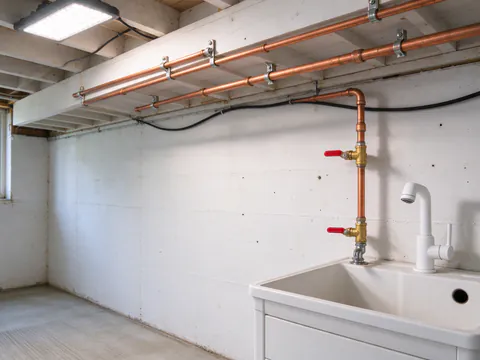
Copper repiping
A repipe in rigid copper tube, with the tube type and joining method set out in the scope and the routes planned for straight runs.
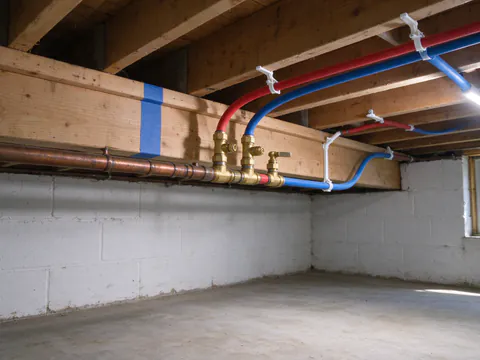
Partial repiping
One section of the water supply replaced, such as the hot side, a bath group, a floor or the basement main, with the boundary and the old pipe that stays written into the scope.
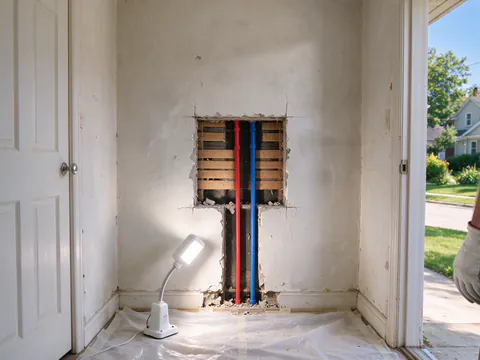
Old house repiping
Repiping planned for prewar houses: routes through basements, closets and chases, openings in plaster kept few and listed, and the old valves and fittings brought up to date.
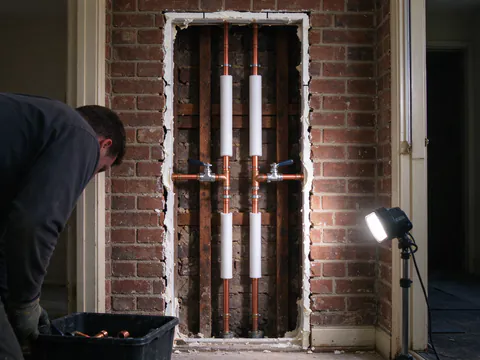
Commercial and multi-unit repiping
Water supply replacement in buildings of four or more units and small commercial spaces, with risers, unit shutoffs, plan review and the schedule for the people inside planned together.
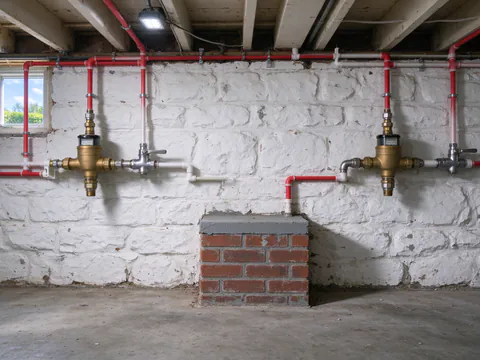
Double and duplex repiping
Repipes for Columbus doubles, duplexes and two and three unit houses, with each household's lines traced, the shared main sorted out and the water kept on for both sides.
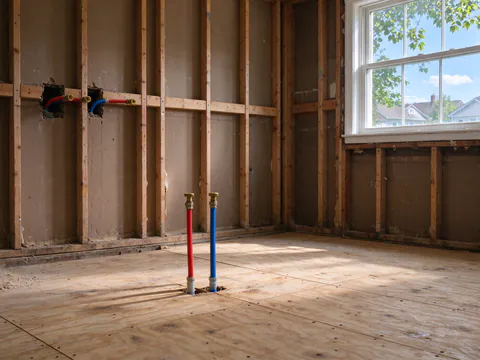
Repiping during renovation
New water supply piping run while a remodel has the walls open, with the scope set before demolition and the plumbing inspection timed ahead of insulation and drywall.
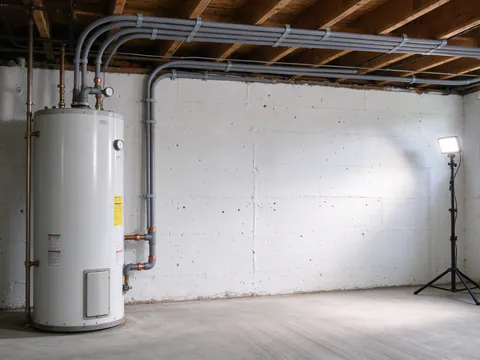
Polybutylene replacement
Identification and replacement of polybutylene water tubing, usually as a whole system, with the fittings, transitions and permit handled like any repipe.
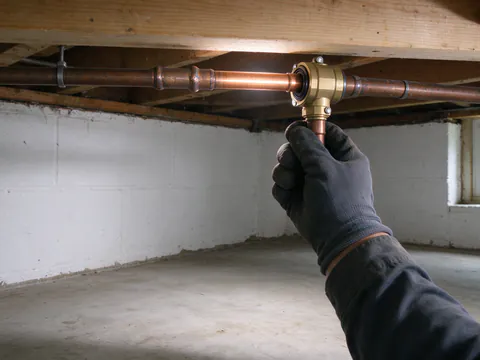
Pipe repair
A leaking joint, a split section or a rotted galvanized nipple repaired in matching or listed transition material, with an honest read on the pipe around it.
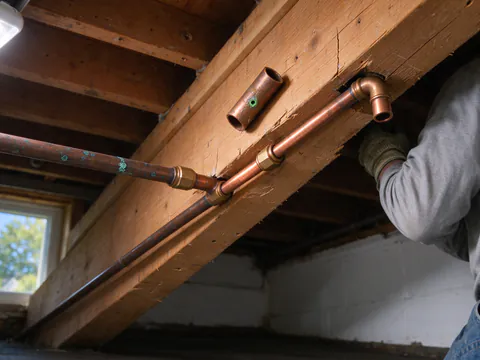
Copper pipe repair
Pinhole and joint leaks in copper supply lines repaired with new tube and lead-free joints, and the cut section read for what caused the failure.
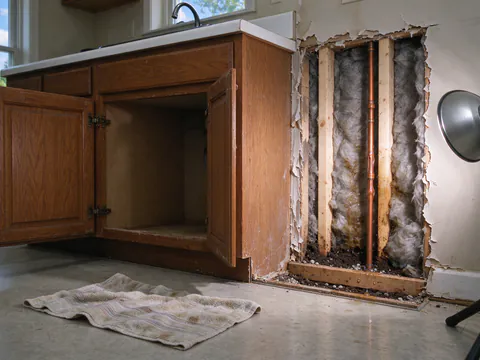
Burst pipe repair
Frozen and split supply pipe repaired back to sound pipe, with the run that froze rerouted, insulated or protected so the next cold snap does not split it again.
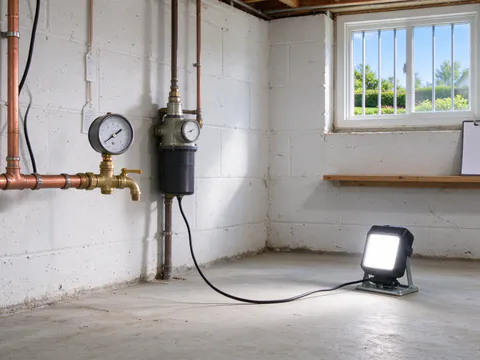
Water leak detection
Hidden supply leaks narrowed down with meter, pressure and isolation tests before any wall or floor is opened, with a clear account of what the tests show and what they cannot.
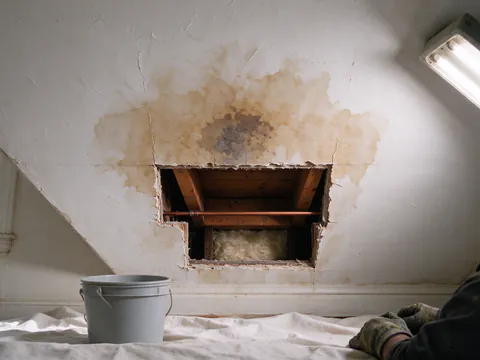
Water leak repair
A known leak, from a ceiling stain to a wet wall or a meter that will not stop, traced to its source, stopped and repaired, with the water damage side kept separate and documented.
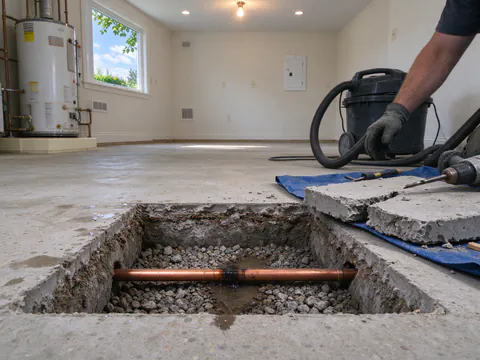
Slab leak repair
Supply leaks under concrete floors in slab houses and slab-on-grade additions, repaired through the floor or bypassed with a reroute through walls and ceilings.
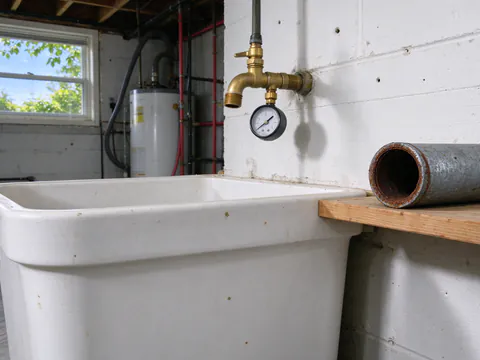
Low water pressure
Weak flow traced from the service line and meter to each fixture, so the fix matches the cause: a valve, a PRV, an aerator, the water heater, a scaled branch or the service line.
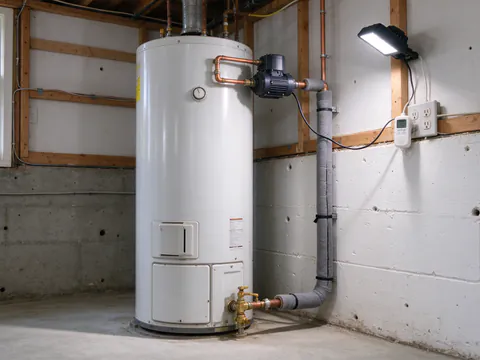
Hot water recirculation
Shorter waits for hot water from a dedicated return loop, a crossover pump or a demand system, chosen for the house's layout and controlled so it does not waste the energy it saves in water.
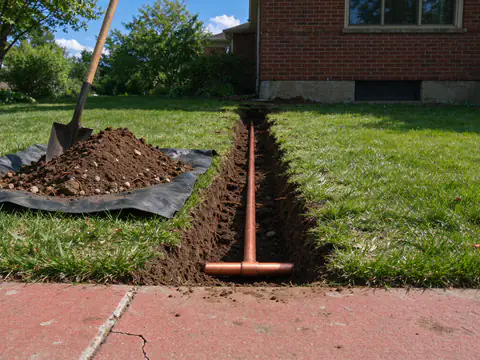
Water line replacement
The buried service line from the curb stop to the inside meter, replaced in copper under the City's water service rules, with the trench, the frost depth and the inspection planned before digging.
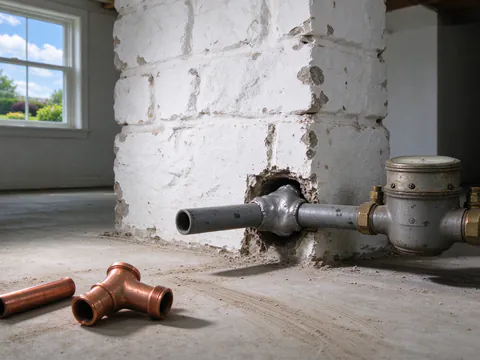
Lead service line replacement
Replacing a lead or galvanized service line in copper when the City's street-by-street program is not the right fit: a leak now, a street years out, a suburb with its own system, or a LEAP-funded job.
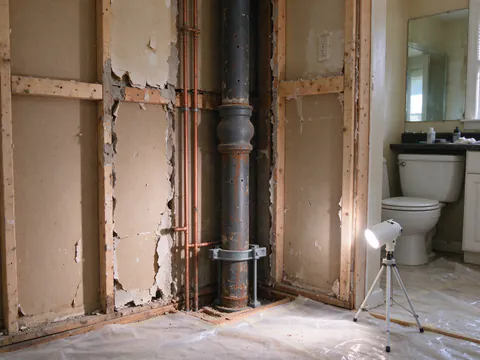
Cast iron stack replacement
The vertical cast iron drain, waste and vent stack inside an older house, replaced in PVC, ABS or new cast iron under a plumbing permit, often while the walls are open for a repipe.
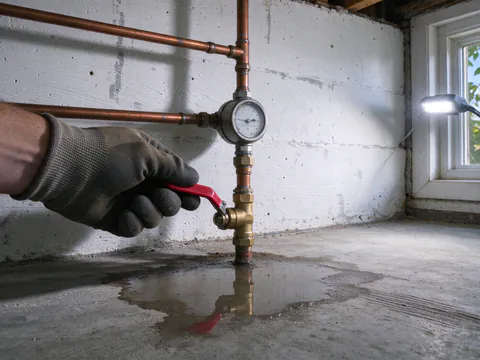
Emergency pipe repair
Urgent supply-side problems, from a split pipe to a leak through a ceiling, a main shutoff that will not close or a house with no water, stopped and made safe, with emergency calls answered around the clock.
Repairs, leaks and service lines
Pipe repair and related work
Not every pipe problem calls for a repipe. These are the repairs and the work on either side of the house piping, from the service line at the street to the drain stack in the basement.
- Emergency pipe repair24/7 emergency response for burst pipes, active leaks and water line breaks.
- Pipe repairLeaking joints, sections and fittings on supply pipe.
- Copper pipe repairPinhole and joint leaks in copper, and what a pattern means.
- Burst pipe repairFrozen and split supply lines, repaired and rerouted.
- Water leak detectionFinding a hidden supply leak before walls are opened.
- Plumber for water leaksA known leak stopped, found and fixed.
- Slab leak repairLeaks under a slab floor, repaired or rerouted overhead.
- Low water pressureTraced from the meter to the fixture before anything is replaced.
- Hot water recirculationShorter waits for hot water at distant fixtures.
- Water line replacementThe buried service line from the street to the house.
- Lead service line replacementFor owners outside the City's schedule, suburbs and LEAP projects.
- Cast iron stack replacementCracked or rusted drain and vent stacks inside older houses.
How the work is set up
A written scope before a wall is opened
Repiping goes wrong when the scope is vague: which pipes, which walls, who patches them, and whether the permit is in the price. These are settled first.
The boundary is on paper
Whole-house or partial, the scope lists what gets replaced and what old pipe stays, so a partial repipe is never sold as a full one.
Openings are planned, then patched
The access plan marks each wall and ceiling opening, plaster or drywall, and says who closes it.
The right permit office
Columbus Building and Zoning Services inside the city; a city permit with Franklin County Public Health review in many suburbs. The permit is part of the scope.
Published ranges, no phone call needed
Typical Columbus-area ranges and a cost estimator are on this site, so the first number you see is not a sales pitch.
Licensed and insured contractors
The work is carried out by licensed and insured plumbing contractors who pull the permit and meet the inspector.
From first call to final inspection
How a repipe runs
The same stages apply to a ranch, a brick double or a small apartment building.
Describe the house
Its age, the pipe you can see in the basement, the leaks so far and which floors lose pressure.
Map and scope
Mains, branches, shutoffs and fixtures traced from the meter; material, openings and permit agreed in writing.
Replace and reconnect
Water shut off in stages, new lines run, fixtures and the water heater reconnected.
Test, inspect, patch
Pressure test and flush, permit inspections, then the openings are closed.
Old pipe in a Columbus house? Start with the scope.
A walk-through from the meter turns a symptom into a written plan and a price.
What it costs here
Typical Columbus-area repipe prices
These are typical ranges for Columbus-area projects, not quotes. The price for your house comes after the walk-through.
Whole-house repipe
$4,000 to $15,000+
typical Columbus-area range
- All hot and cold supply lines
- Larger multi-bath, copper or complex homes run higher
PEX repipe
$4,000 to $12,000
typical Columbus-area range
- Flexible runs, fewer openings
- Manifold layouts add valves and cost
Copper repipe
roughly $6,000 to $18,000+
typical Columbus-area range
- Depends heavily on house size
- More rigid runs, more openings
Price moves with fixture count, stories, how the basement and walls give access, plaster or drywall, and how much patching is in scope. A City of Columbus permit for a 1, 2 or 3 family home is $275 with two inspections.
The real choice
Spot repair, partial repipe or whole house
The right scope depends on how much of the old pipe is still doing its job, and whether the problem is the pipe at all.
| Option | When it fits | Tradeoff | What has to be checked first |
|---|---|---|---|
| Spot repair | One leak, piping otherwise sound, no pressure loss | Cheapest now; the old pipe keeps aging | Whether the leak is isolated or the pipe wall is thinning |
| Partial repipe | One branch, bath group or floor is failing | Old pipe remains elsewhere and is listed in the scope | Where the boundary goes and how old meets new |
| Whole-house repipe | Galvanized throughout, repeat leaks, low flow at several fixtures | Highest cost; one disruption instead of many | Service pressure, so new pipe is not blamed for a street problem |
Where we work
Columbus neighborhoods and nearby cities
Inside Columbus, Building and Zoning Services issues the plumbing permit. In many suburbs the city issues it and Franklin County Public Health reviews the plan and inspects.
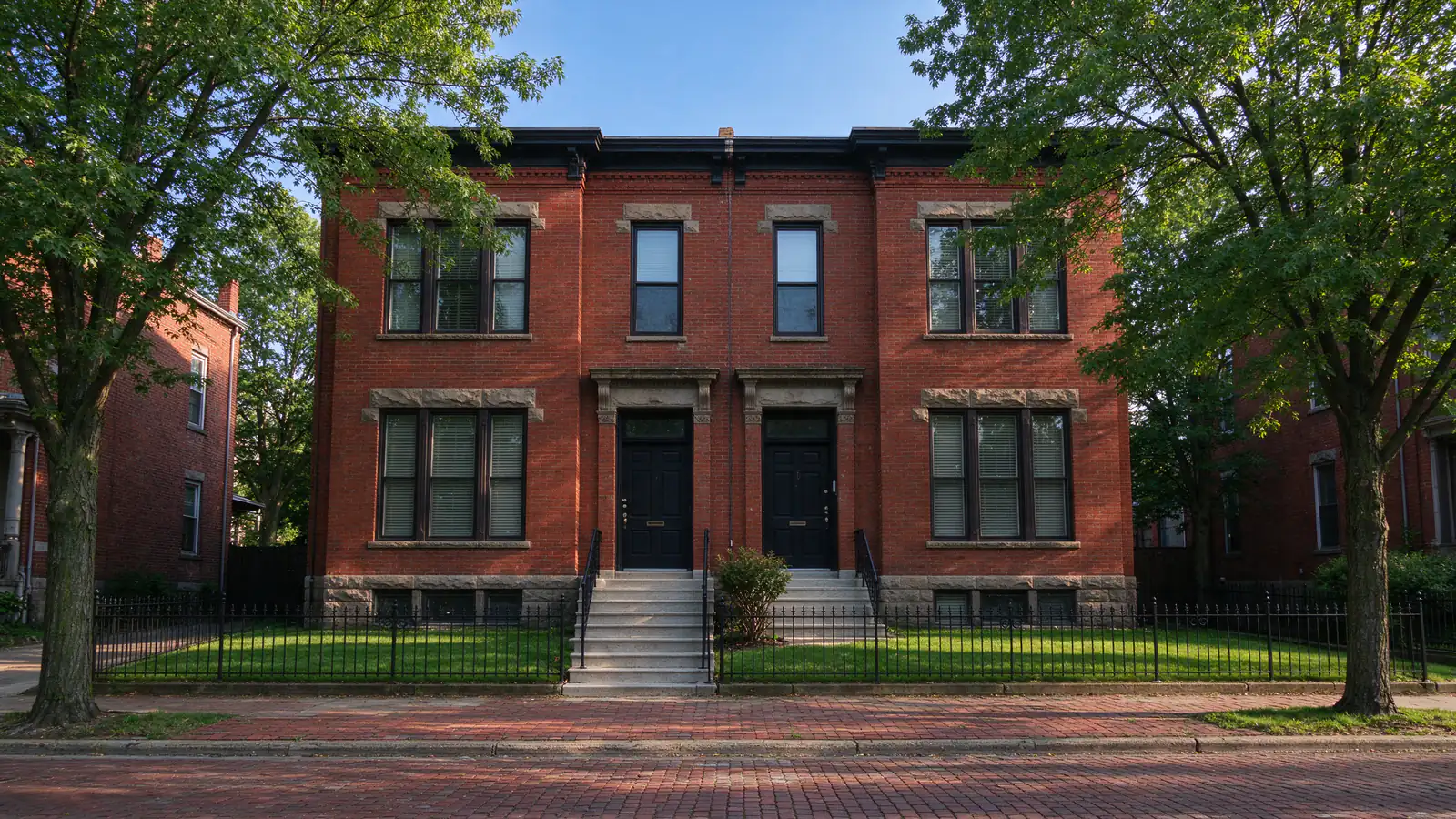
German Village
Prewar doubles, shared walls, City permit
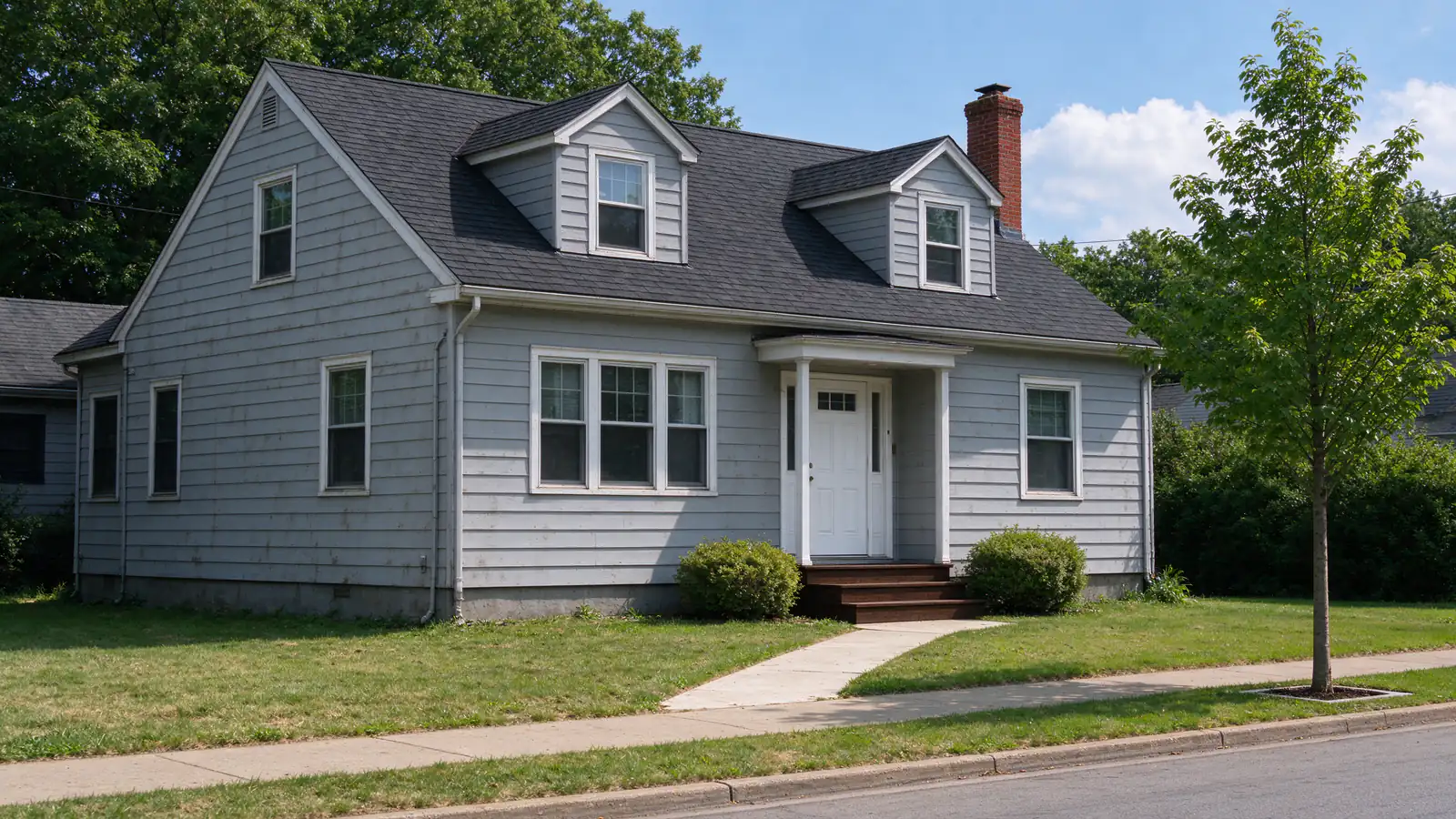
Clintonville
1920s to 1950s homes with open basements
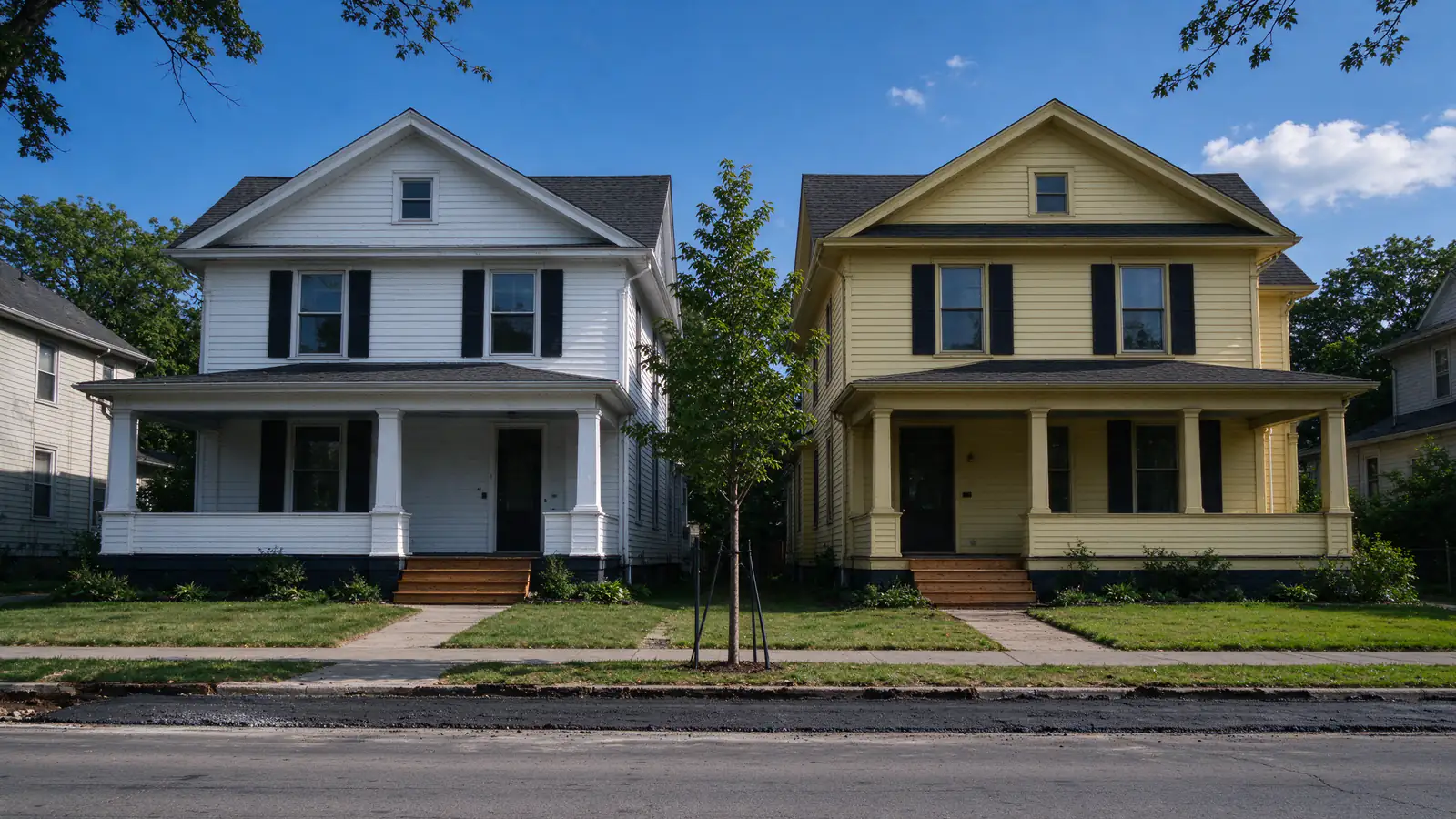
Hilltop
Where the City's line work is busiest
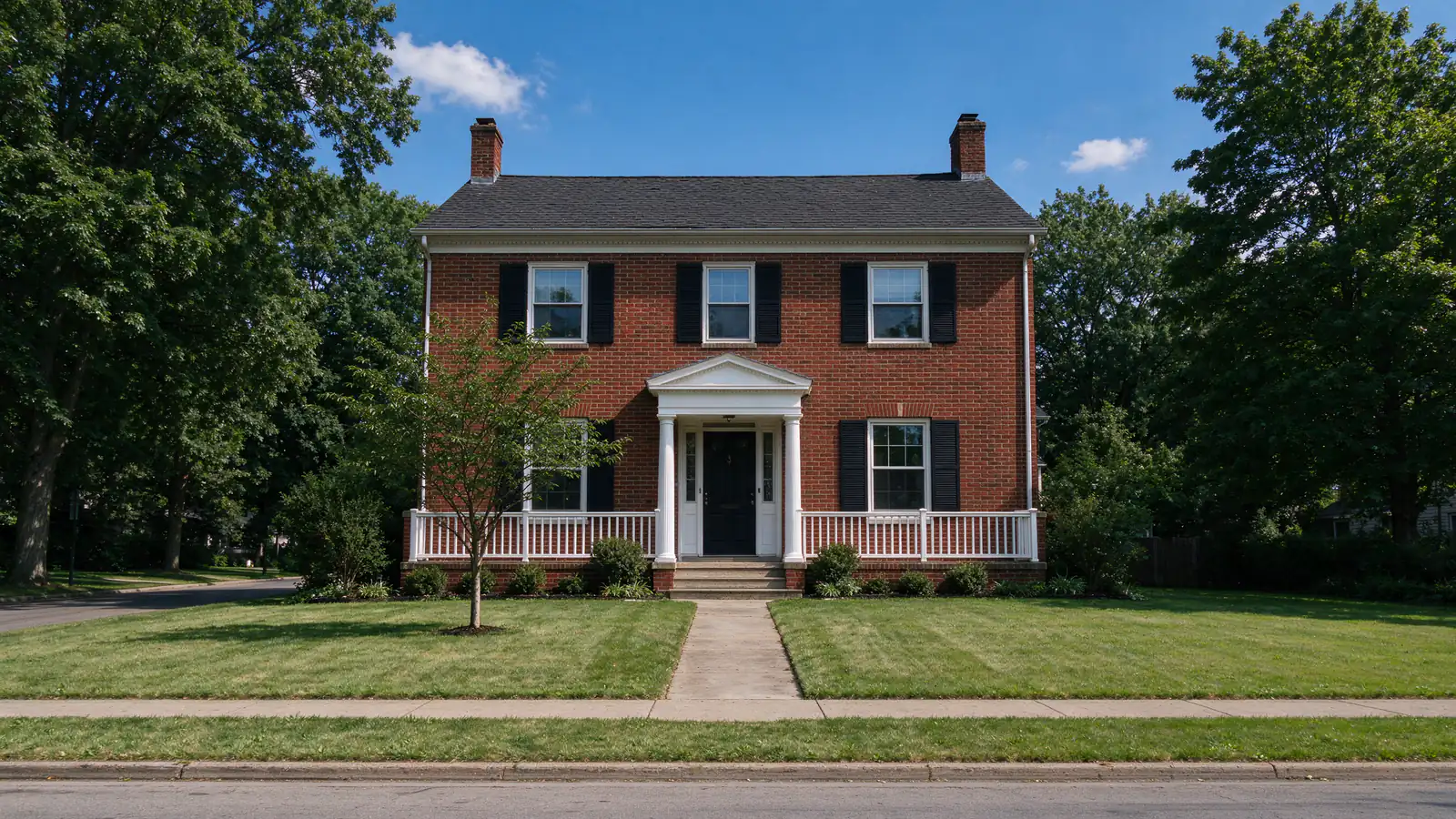
Upper Arlington
Mid-century homes, county plan review
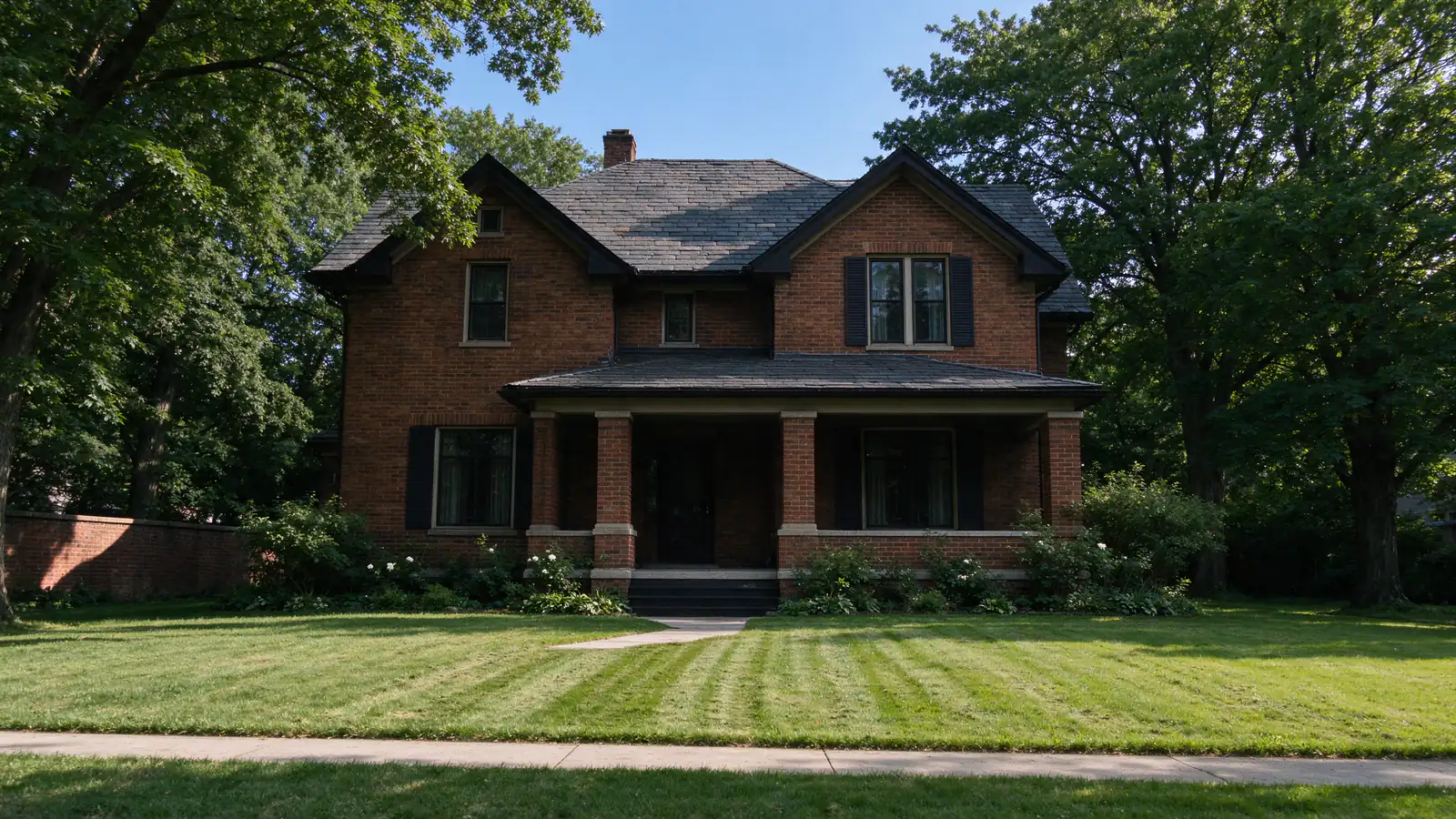
Bexley
Its own water billing and line inventory
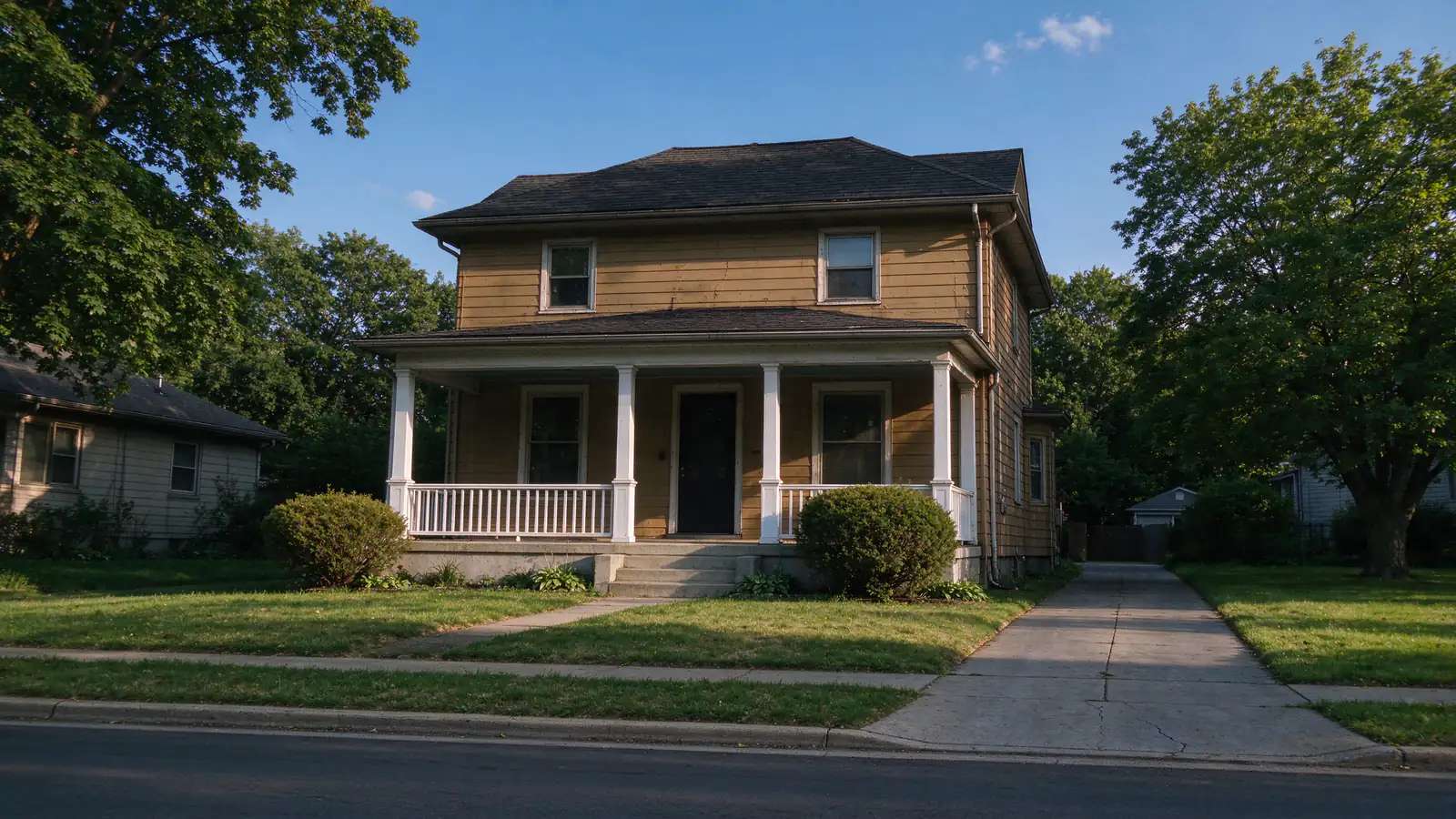
Grandview Heights
One of the highest galvanized shares in the inventory
| Area | Homes built before 1940 | Customer-side galvanized service lines | Permit path |
|---|---|---|---|
| German Village (43206) | 56.1% | 21.4% | City of Columbus |
| Clintonville (43214) | 22.2% | 14.5% | City of Columbus |
| Hilltop (43204) | 26.1% | 23.5% | City of Columbus |
| Upper Arlington | 11.9% | 7.7% | City permit, county review and inspection |
| Bexley | 42.5% | n/a | City permit, county review and inspection |
| Grandview Heights | 42.4% | 31.0% | City permit, county review and inspection |
Housing age: U.S. Census Bureau American Community Survey (ZIP code figures for Columbus neighborhoods, city figures for suburbs). Galvanized share: City of Columbus service line inventory. Bexley keeps its own inventory, which lists 418 customer-side galvanized lines.
Questions
Repiping questions from Columbus homeowners
How do I know my Columbus house needs repiping?
Look for a pattern rather than one event: low flow at several fixtures at once, rusty water that clears after running, and repeat leaks on the same lines. Threaded gray steel pipe near the water meter in the basement means galvanized is still in service. One symptom alone can have another cause, so the pipe is traced from the meter before anything is decided.
Will the City's lead line replacement fix my pipes?
No. The City of Columbus replaces lead and galvanized service lines from the main to the house. Galvanized branches, lead-soldered copper joints and old brass valves inside the house are a separate job, and the City notes that interior lead hazards are not part of its replacement.
How many walls get opened in a repipe?
It depends on where the fixtures sit and how the basement, closets and chases give access. In a house with a full basement, much of the new pipe runs on exposed joists, and openings come where pipe climbs to a kitchen or bath. A good scope lists each opening before work starts.
Do I need a permit to repipe in Columbus?
Yes. Inside the city, Building and Zoning Services issues a plumbing permit for 1, 2 and 3 family homes for $275, including two inspections. It is pulled by a State-licensed, City-registered plumbing contractor, or by an owner doing the work on a single-family home they live in.
How long is the water off during a repipe?
New lines are run while the old ones still work, then each fixture group is switched over, so the water is off in stages rather than for the whole job. Most houses have water again at the end of each working day; the scope should say when it will be off.
Will repiping fix low water pressure?
Only when the pipe is the restriction. Scaled galvanized pipe is a common cause, but a partly closed valve, a failing pressure-reducing valve, the service line or clogged aerators cause the same symptom. Pressure and flow are checked first so the repipe solves the right problem.
Does Columbus water hurt copper pipe?
Columbus lime-softens its water to about 5.7 to 7.3 grains per gallon and adds a zinc orthophosphate corrosion inhibitor, according to the City's water quality report. That treatment protects pipe walls, so hardness alone rarely explains pinhole leaks. Velocity, workmanship and the age of the copper are usually part of the story.
Can only part of a house be repiped?
Yes. A partial repipe replaces a defined section, such as one bathroom group, one floor or the hot side, and lists the old pipe that stays. The boundary matters because old pipe upstream of new pipe can still shed rust into it.
Does a repipe include drains or the sewer line?
No. A repipe replaces the hot and cold water supply pipe. Drain, waste and vent pipe and the sewer line are separate systems with separate prices, and a quote should say clearly if any of that work is included.
Is polybutylene still found in Columbus homes?
It turns up occasionally. Gray polybutylene supply pipe was installed in the 1980s and 1990s, and Columbus permit records mention it only a handful of times, but home inspectors still flag it during sales. Because its fittings are the weak point, it is usually replaced as a whole system.
Do you repair pipes, or only repipe whole houses?
Both. Slate Repiping Columbus offers and manages pipe repairs as well as repipes: leaking joints and sections, copper pinholes, burst pipes, leak detection, low pressure diagnosis, and service line and drain stack work. A repair fits when the rest of the pipe is sound; a repipe fits when the failures form a pattern.
Send us the house
Plan a repipe for your Columbus home
Tell us the address, the age of the house and what you are seeing. You get a written scope and a range before anything is opened.
Call (380) 324-5056Slate Repiping Columbus40 E Columbus St, Columbus, OH 43206office@slaterepipingcolumbus.comColumbus and nearby Franklin County communities