Slate Repiping Columbus installs hot water recirculation for houses and small buildings in Columbus and nearby Franklin County communities, to cut down long waits for hot water at the far end of a house. A recirculation system moves cooled water out of the hot line so hot water is close to the fixture when someone turns it on. There are several ways to do it, and the right one depends on the layout, the water heater and whether walls are already open. The work is carried out by licensed and insured plumbing contractors.
Why hot water takes so long
When a hot tap closes, the water left in the pipe between the heater and that fixture starts to cool. The next time it opens, all of that cooled water has to run out before hot arrives. The wait is mostly a matter of how much water sits in that pipe, which depends on two things: how far the fixture is from the heater, and how wide the pipe is.
Pipe volume adds up faster than people expect. A three-quarter-inch line holds roughly twice as much water per foot as a half-inch line. A primary bath at the far corner of a two-story house, fed by a long three-quarter-inch trunk from a heater in the basement, can need well over a gallon to run before hot arrives. The water also loses heat into the pipe itself, and in a Columbus basement or crawl in winter, that pipe starts cold. Columbus averages 5,233 heating degree days a year by NOAA’s normals, a measure of how cold its winters run.
Other causes can make the wait worse: a water heater set low, a mixing valve that is set cool, a failing thermostat, or a crossed connection that pulls cold into the hot line. Those are checked before a recirculation system is proposed, because a pump will not fix them. Cold water running warm or hot water running weak can also point to scaled heater connections, covered on the low water pressure page.
Layout and pipe volume
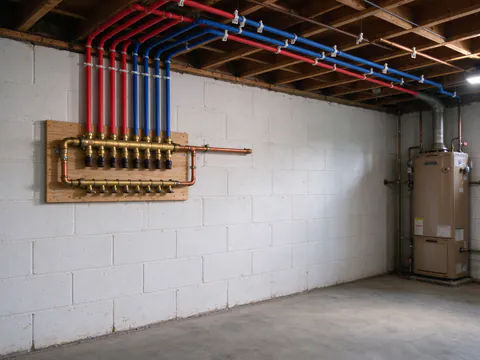
The layout decides the options. A traditional trunk-and-branch system runs a large hot main through the house with smaller branches off it, and a fixture at the end of the main waits for the whole main to clear. A home-run manifold system gives each fixture its own small line from a central manifold, which holds less water per fixture but means each one still waits for its own line. The manifold vs trunk-and-branch guide explains both.
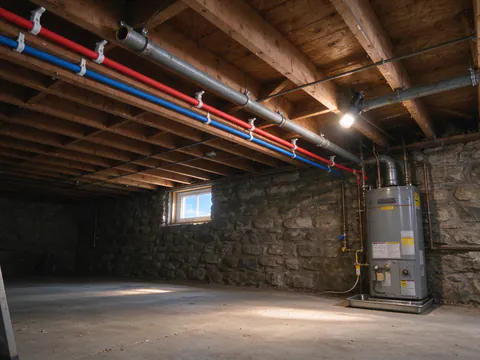
Where the water heater sits matters as much. A heater at one end of a long basement serves the near fixtures quickly and the far ones slowly. Moving a heater is rarely worth it for this alone, but during a whole-house repipe the main can be routed to keep the run to the busiest fixtures short.
Waiting a minute for a hot shower?
Time the wait at the farthest fixture and note where the heater is. The right system depends on the layout.
Dedicated return loop
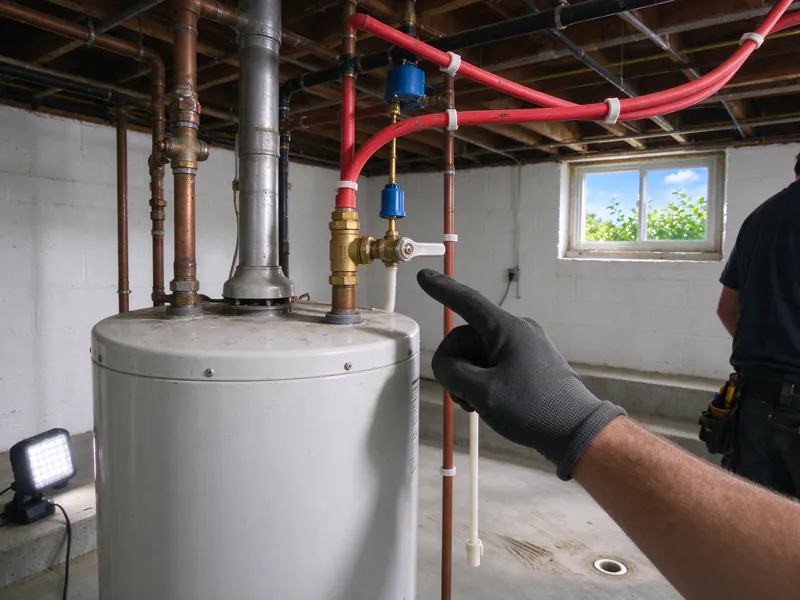
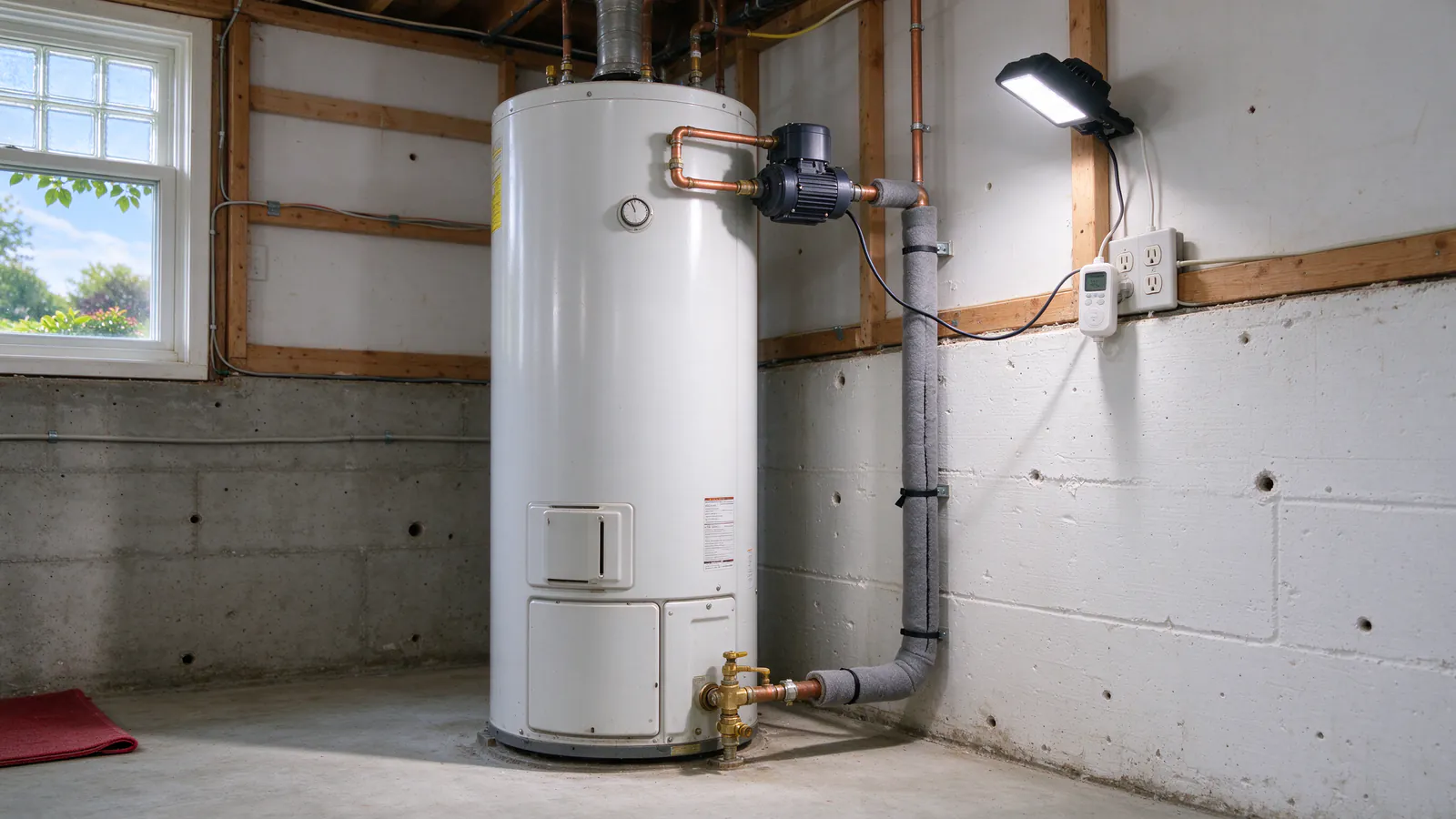
A dedicated return loop adds a third pipe. Hot water runs out to the farthest fixtures as usual, and a return line carries cooled water from the end of the hot run back to the water heater. A small pump keeps water moving around the loop so hot water sits close to every fixture on it. Check valves keep the flow going the right way.
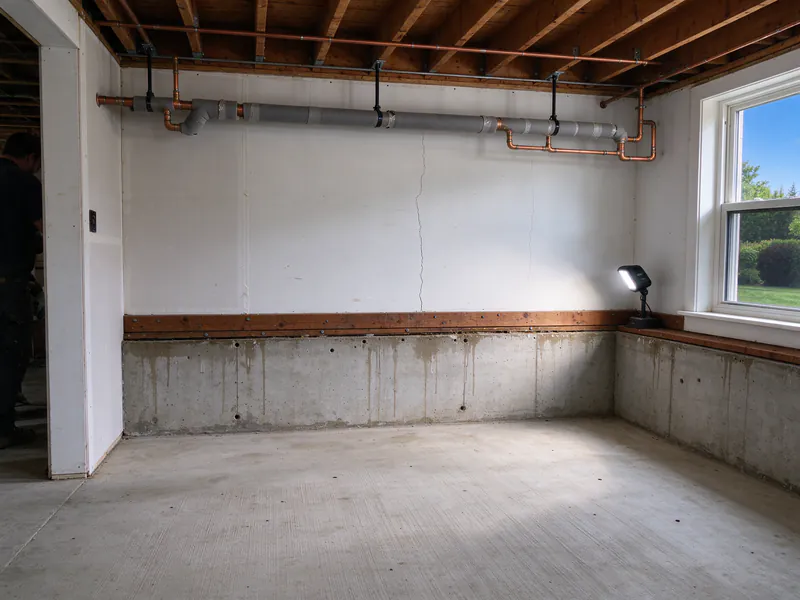
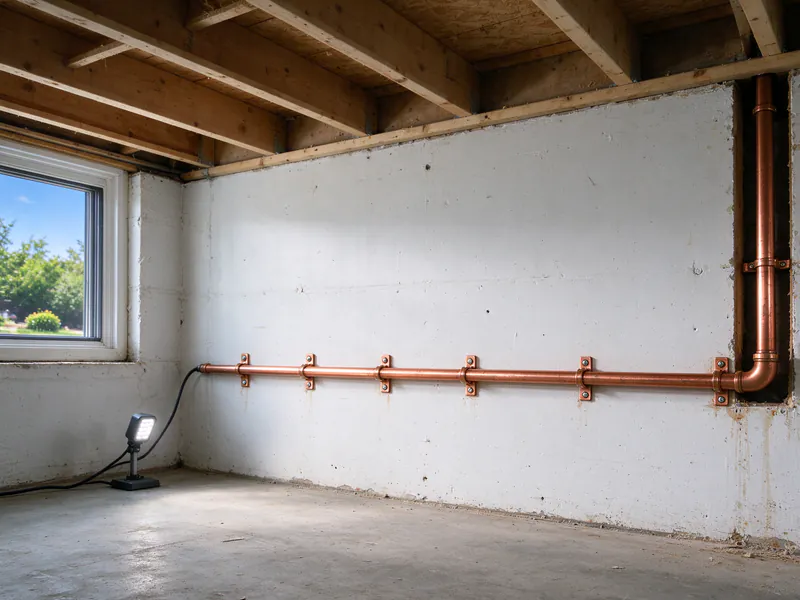
This is the cleanest system and has no effect on the cold line. Its drawback is the extra pipe. In an open basement it can be straightforward, but in a finished house the return line has to climb to the far fixtures through walls and ceilings. That is why the easiest time to add one is during a repipe or a remodel, when the walls are open anyway. The return line and the recirculated hot line should be insulated, and they should stay out of exterior walls, since Columbus averages more than a hundred nights a year at or below freezing.
Crossover and under-sink pumps
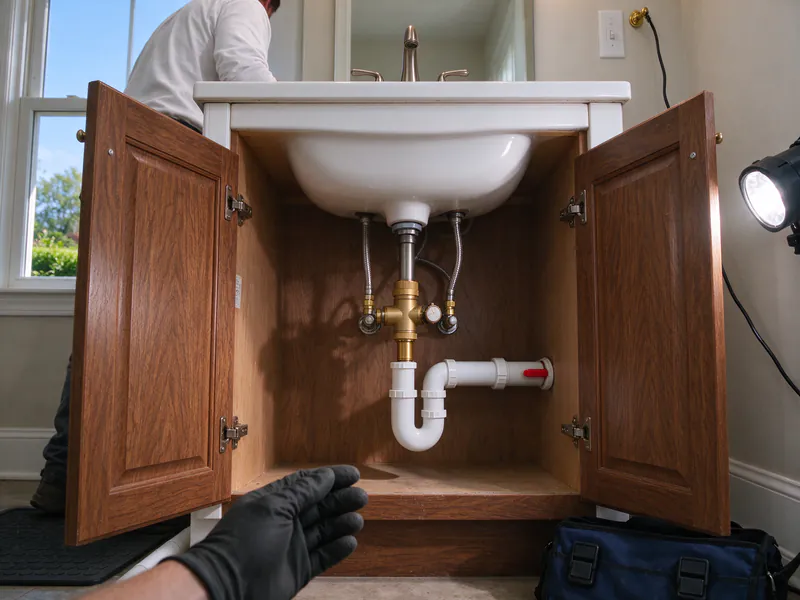
A crossover system avoids new piping. A pump at the water heater, or a small pump under the farthest sink, pushes cooled water from the hot line into the cold line through a thermostatic valve at that sink. The cold line serves as the return. When the water at the valve gets warm, it closes.
It works in finished houses where adding a return line is impractical. Its side effect is that the cold line near that sink carries some warm water, so the first draw from the cold tap can be lukewarm for a few seconds. In homes where people want cold drinking water instantly, that matters. An under-sink pump also needs an electrical outlet in the cabinet, which may need an electrician.
Timers, temperature controls and demand systems
How the pump is controlled decides most of the energy use.
- Continuous circulation keeps hot water at every fixture all the time, and loses the most heat.
- Timers run the pump during the hours the house uses hot water, such as mornings and evenings.
- Temperature controls stop the pump once the return water is warm and restart it as it cools.
- Demand controls run the pump only when someone presses a button, opens a wireless switch or trips a motion sensor, and stop once hot water reaches the fixture. The user waits a few seconds instead of a minute, and no water runs down the drain while waiting.
Energy tradeoffs
A recirculation system saves water that would otherwise run down the drain while waiting. It costs energy, because hot water moving through pipes loses heat that the heater has to replace, plus a small amount of electricity for the pump. A continuously running pump on an uninsulated loop can lose more in heat than the water it saves is worth. A demand system or a well-set timer on an insulated loop is far more efficient. There is no universal answer, and anyone promising specific savings for a house they have not measured is guessing.
High velocity is also hard on copper. A pump sized too large for the loop can erode the inside of copper fittings over time, a cause covered in the copper pinhole leak guide and on the copper pipe repair page. Correct pump sizing protects the pipe.
Fitting recirculation into a repipe
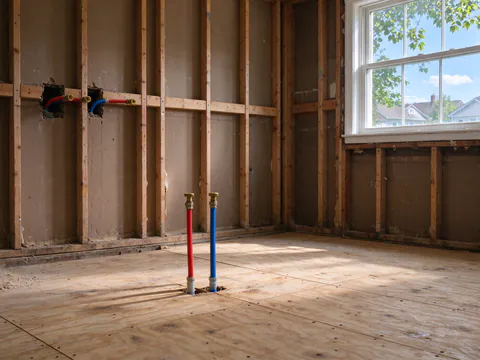
A repipe is the easiest time to solve the wait for good. The new layout can keep hot runs short, the return line can go in while walls are open, and a home-run manifold or smaller branch tubing can cut the volume each fixture has to clear. PEX repiping and copper both work for return loops, and the PEX vs copper guide covers the choice. During a renovation, the same logic applies to the part of the house that is open.
What it depends on
There is no flat price. It depends on the system chosen, whether a return line is added and how far it has to travel, how much wall or ceiling has to open, the pump and controls, whether an electrical outlet is needed, and whether the water heater is compatible. Adding a return during a repipe usually costs less than adding it to a finished house later, because the openings are already made, and the guide to how long a repipe takes covers that schedule.