Copper was the standard house pipe in Columbus for most of the second half of the last century, and plenty of 1950s and 1960s houses still run on their original lines. Slate Repiping Columbus offers copper repiping for houses where the owner wants rigid metal pipe again, across Columbus and the nearby Franklin County suburbs. The work is carried out by licensed and insured plumbing contractors under the plumbing permit for the address.
Choosing copper is a decision about tube type, joints and routes, not only material. A copper scope should say which wall thickness is going in, how each joint is made and how rigid pipe will get from the basement to the upstairs bath. If the choice between materials is still open, the PEX vs copper guide and the PEX repiping page cover the other side.
What the first visit checks before copper is chosen
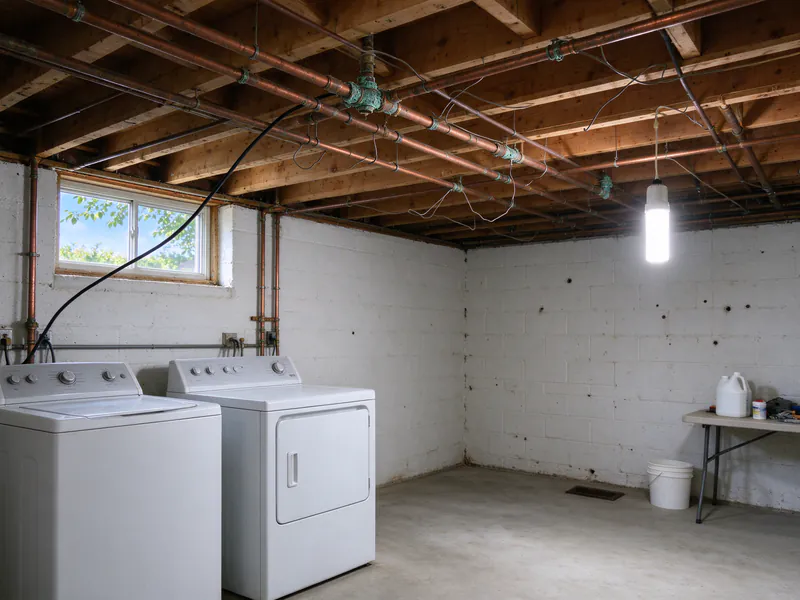
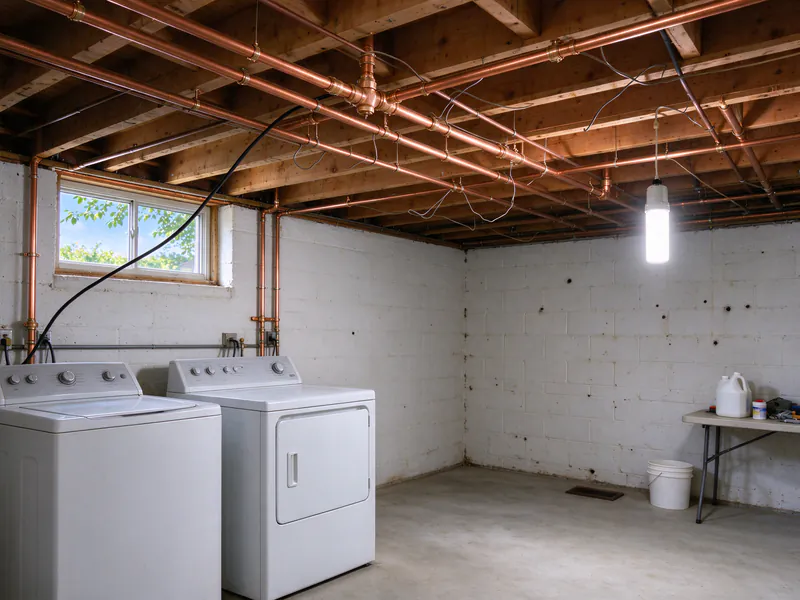
If the house already has copper, the first question is why it is being replaced. A single pinhole in one hot line near the water heater can come from a local cause. Leaks scattered across hot and cold lines in several rooms point at the system. Green crust on joints, flattened or dented runs and old lead-soldered fittings all go into the notes, along with where earlier repairs changed the material. The copper pinhole leak guide explains how to read the pattern, and for one bad spot, copper pipe repair may be the right job instead.
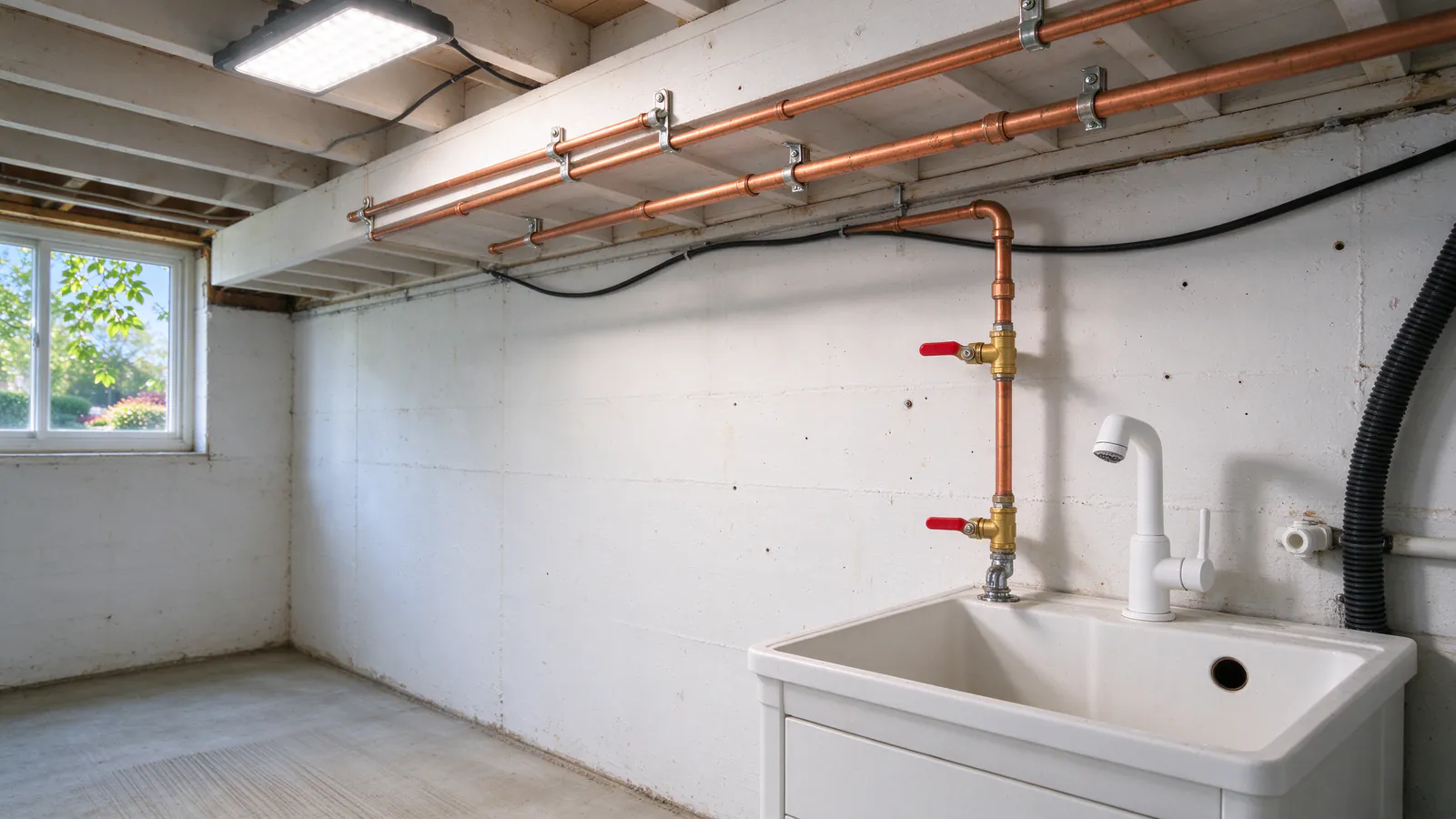
The walk-through then looks for straight routes, because copper does not bend around obstacles the way tubing does. Open joists, a laundry chase, stacked closets and the back of a cabinet are the paths that keep openings few. It records pressure and flow at the start so the owner knows what the street supplies, and it notes where copper would stay exposed, which is often where copper earns its cost.
Type L or Type M
Copper water tube comes in wall thicknesses named by letter, all made to the same ASTM standard. Type M is the thinnest of the common types and the lightest on cost. Type L is thicker, which gives more metal to lose before a pinhole forms at an elbow or where water moves fastest. Type K, the thickest, is what the City of Columbus requires for 2-inch and smaller service pipe from the main to the curb stop, which is buried work rather than house piping.
The code allows either L or M inside a house. Some owners choose L throughout; others choose L for mains and hot lines and M for short cold branches. What matters is that the quote names the type, because two copper quotes for the same house can differ by wall thickness alone.
Soldered joints or press fittings
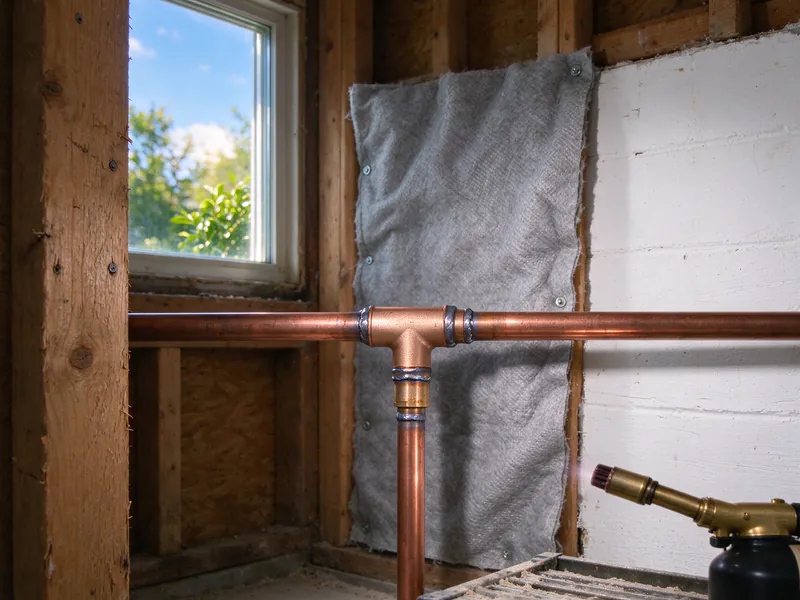
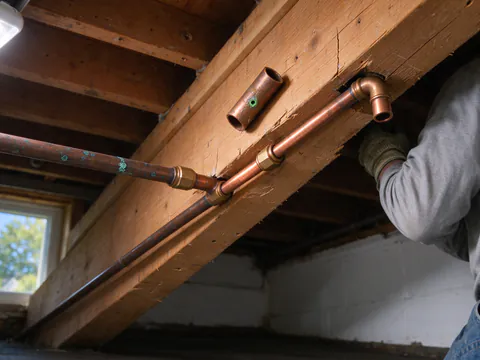
A soldered joint is made by cleaning the pipe and fitting, applying flux, heating with a torch and drawing lead-free solder into the gap. Done well, it lasts as long as the pipe. It needs a dry line and an open flame, which in an older Columbus house means working near dry framing, old insulation and plaster lath. Fire protection at each joint is part of the job.
A press fitting has a sealing ring inside it and is crimped onto the pipe with a powered tool. There is no flame, a wet line is less of a problem, and joints go quickly in tight spaces. The fittings cost more. Each one has to be pushed to full depth and pressed with the right jaws, and the scope should say which method is used where. Many copper repipes mix the two: soldered joints on open runs in the basement, press fittings inside finished walls.
Weighing copper for an older house?
The walk-through marks which runs can stay straight and where press joints would avoid a torch near old framing.
How Columbus water treats copper
Columbus lime-softens its water to about 5.7 to 7.3 grains per gallon, adjusts the pH to about 7.8 and adds a zinc orthophosphate corrosion inhibitor, according to the City’s water quality report. In the City’s own sampling, 0 of 50 sampled sites were over the action level for copper. That treatment is designed to protect pipe walls, so Columbus water by itself is not a reason to avoid copper. The guide to Columbus water pressure and hard water explains the numbers.
Copper can still fail early in particular spots. Water moving too fast through undersized pipe, a recirculation pump that runs constantly, flux left inside joints, a dent from a past repair or a stray electrical current can each wear one area. None proves that a whole system is failing, and that list of causes is why a new copper system is sized and joined with them in mind rather than just copied from the old layout.
Routing rigid pipe through the house
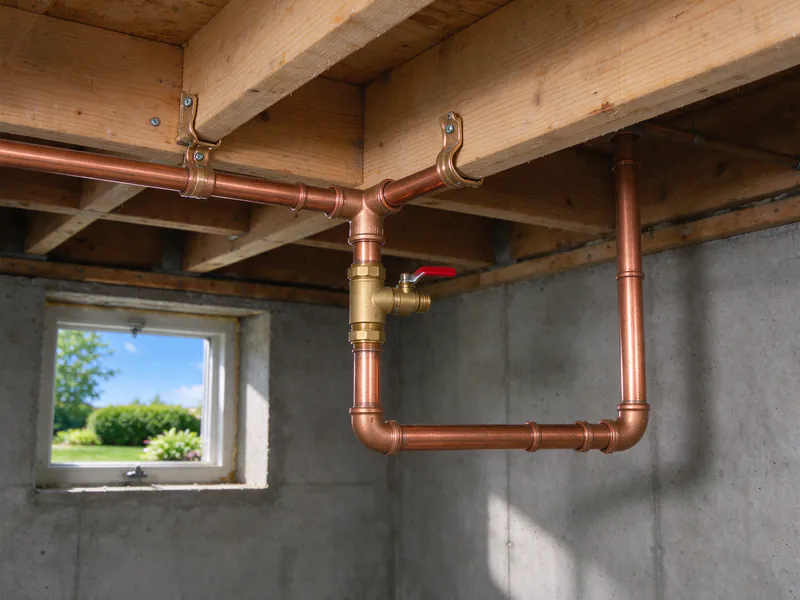
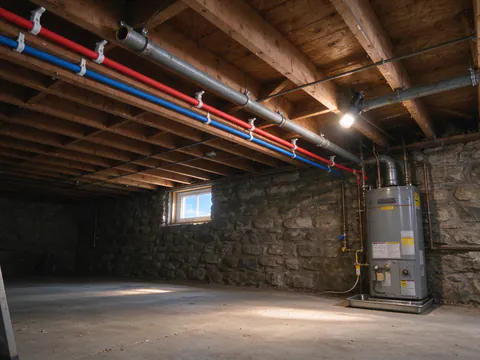
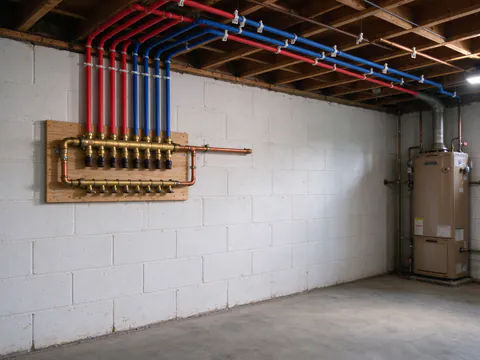
Copper needs more fittings than PEX to change direction, and each fitting is a joint inside a wall. In a house with an open basement and stacked bathrooms, that adds little. In a house where the route to an upstairs bath crosses joists or jogs around a chimney, it can mean another opening or two. The scope lists every one, and the guide to how invasive repiping is covers what to expect.
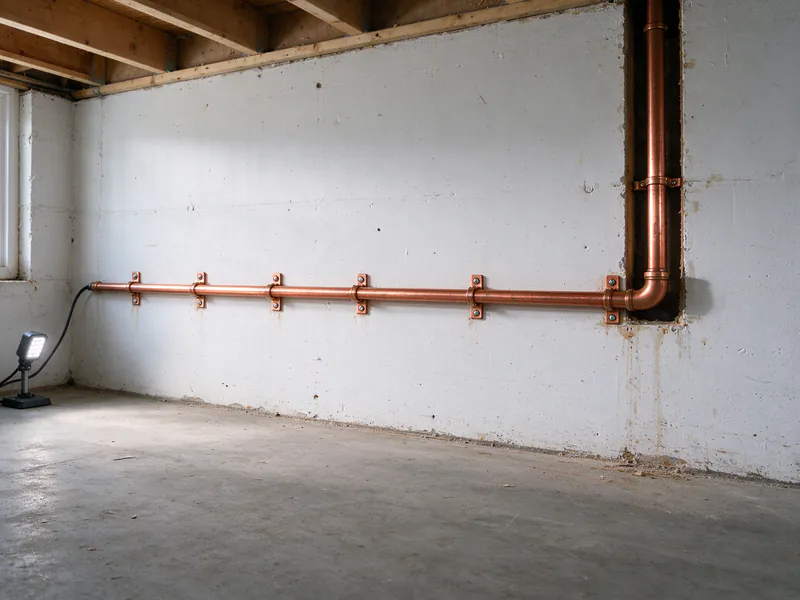
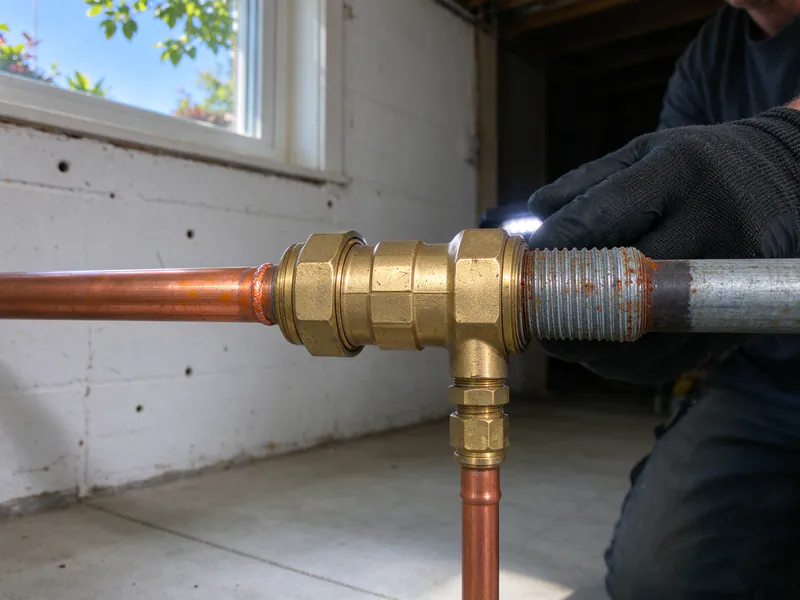
Copper is supported with copper or coated hangers so it does not touch bare steel or rub on wood. Where copper meets galvanized steel at the meter side or at a retained branch, a dielectric or listed transition fitting keeps the two metals apart, since joining them directly can speed corrosion at the joint. Lines near exterior walls are insulated or moved; Columbus averages about 103 nights a year at or below freezing, and rigid copper splits rather than stretches.
What drives the price of a copper repipe
A typical Columbus-area range for a copper repipe is roughly $6,000 to $18,000 or more, depending heavily on house size. Copper costs more than PEX for the same house for two reasons: the material, and the labor of cutting and joining each change in direction. Copper mill product prices rose about 30% over a year in the Bureau of Labor Statistics producer price index. Tube type, joint method, fixture count, stories and patching all move the figure, and the Columbus repipe cost guide shows how the parts add up.
Permit, test and flush
A copper repipe needs a plumbing permit. Inside the City of Columbus, Building and Zoning Services issues it, at $275 for a 1, 2 or 3 family home with two inspections. In most suburbs the city issues the permit and Franklin County Public Health reviews the plan and inspects, and the Columbus repiping permit guide lists which office covers which address.
Before walls close, the system is pressure tested and every joint is checked. It is then flushed to clear flux and cutting debris, which otherwise collects in aerators and valve cartridges. Copper laid since 1986 is joined with lead-free solder, and fittings and valves are lead-free under current rules, so a new copper repipe also retires any older lead-soldered joints in the lines it replaces. For a full system, see whole-house repiping.