Every March, the U.S. EPA’s WaterSense program runs Fix a Leak Week, a reminder to find and fix the household leaks that waste water around the clock. The standard advice is about toilets, faucets and showerheads, and it is good advice. Older houses deserve a longer list, because their supply pipes can leak in ways a dripping faucet never shows. Slate Repiping Columbus offers and manages leak detection, pipe repair and repiping across Columbus and nearby Franklin County communities, carried out by licensed and insured plumbing contractors. Here is a leak check you can do yourself in an older Columbus house, whenever the week comes around.
Why leaks cost more than they used to
A small leak is easy to ignore. It is less easy now. Columbus Water & Power’s current rate schedule raised water rates 18% and sewer rates 8%, so every gallon lost to a leak costs more than it did. A slow leak inside a wall also brings damage to ceilings and floors, and sometimes mold, so finding it early usually costs less than finding it late. A sudden failure and a slow seep can also be treated very differently by insurance, which the insurance guide explains.
Step 1: The meter test
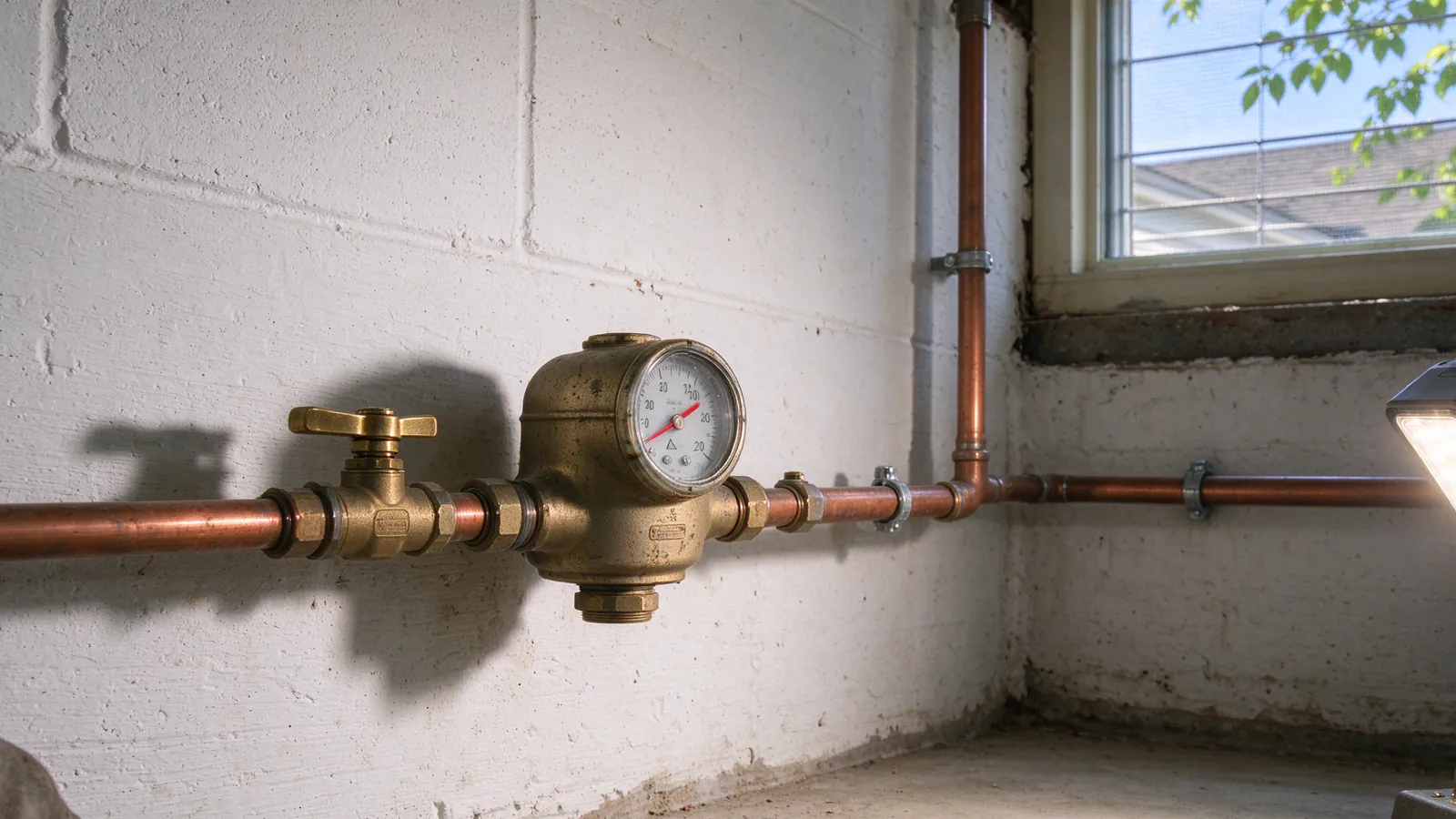
In most Columbus houses the water meter is in the basement, near where the service line comes through the wall. It is the most useful leak detector in the house.
- Make sure no one is using water and that the dishwasher, washer and ice maker are idle.
- Note the reading, or watch the small leak indicator dial if the meter has one.
- Wait without using any water, then read it again.
If the meter moved, water is going somewhere. Close the supply valves to each toilet and repeat. If the meter stops moving, a toilet is the likely leak; if it still moves, the leak may be in the piping, a fixture, or the water heater. A water leak detection visit can locate a leak the meter proves exists but you cannot see.
Step 2: Toilets
A toilet that runs silently can waste more water than a dripping faucet. Put a few drops of food coloring in the tank, wait without flushing, and look in the bowl. Color in the bowl means the flapper or valve is leaking. Also listen for the fill valve cycling on its own between uses.
Step 3: Faucets, showers and fixture stops
Check each faucet and showerhead for drips with the handle firmly off. Then open the cabinet under each sink and look at the shutoff valves and supply lines with a flashlight. Older multi-turn stops often weep at the stem, and braided supply lines can bulge or rust at the crimp. Run a dry hand along each one.
Did the meter move?
A walk-through traces the supply from the meter and finds where the water is going before anyone opens a wall.
Step 4: The basement ceiling
This is the step most checklists skip, and the one that matters most in an older house. With a flashlight, follow the supply pipe from the meter across the basement ceiling.
- Galvanized joints. Threaded steel joints are the weak point of galvanized pipe, because threading cuts away part of the wall. Look for rust stains, crusty mineral buildup or a damp spot at a fitting. A dry rust bloom can mark a joint that weeps under pressure.
- Copper runs. Green or blue-green crust on copper can mark a slow pinhole or a joint that weeps and dries. One spot is worth watching; several along the same run are worth a closer look, as the copper pinhole leak guide explains.
- Transitions. Where copper meets galvanized, look closely at the fitting between them.
- Plastic. Gray pipe stamped “PB” is polybutylene, which tends to fail at its fittings. The polybutylene pipe replacement page explains why.
If you are not sure what you are looking at, the guide to identifying your pipe material helps.
Step 5: The water heater and the main shutoff
Look at the floor around the water heater and at the relief valve’s discharge pipe. Water there can mean a leaking tank or a relief valve opening, sometimes from pressure that climbs during heating. Then find the main shutoff near the meter and make sure you can turn it. An old gate valve that will not close is worth replacing before the day you need it.
Step 6: Outside
Check each hose bibb for drips with the hose off. After a Columbus winter, a hose bibb that froze can leak inside the wall when the faucet is opened, so run it briefly and look at the basement side. The freezing pipes post covers how to protect it next winter.
What the results mean
One weeping stop valve or a running toilet is a small repair. A pattern is different: several damp galvanized joints, repeat pinholes in one copper run, rusty water that comes back. That is when the question shifts from fixing a leak to whether the pipe has reached the end of its life. The repipe vs repair guide explains how to read that line, and the rusty water guide covers discoloration. If you found something you cannot explain, call Slate Repiping Columbus to have it traced.