Usually not for the repipe itself. Homeowners policies generally separate sudden, accidental water damage, which may be covered, from wear, corrosion and slow leaks, which usually are not. Replacing old pipe is treated as maintenance. Damage from a sudden burst may be covered, but the wording of your own policy decides. Slate Repiping Columbus offers and manages leak repairs and repipes across Columbus and nearby Franklin County communities, carried out by licensed and insured plumbing contractors, and the paperwork from that work is what an insurer will ask to see.
Sudden versus gradual: the line most policies draw
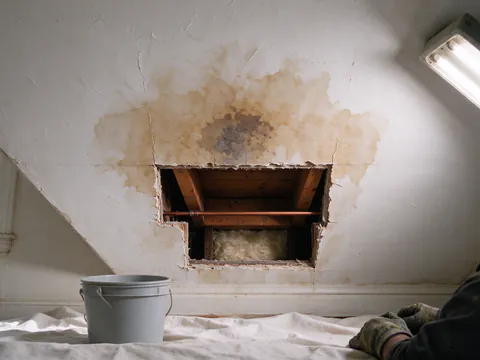
Most homeowners policies are written around sudden and accidental events. A pipe that splits during a cold snap and floods a kitchen is the classic example. The damage it causes, wet drywall, ruined flooring, a soaked ceiling below, is the kind of loss a policy is designed for, subject to the deductible and the exclusions.
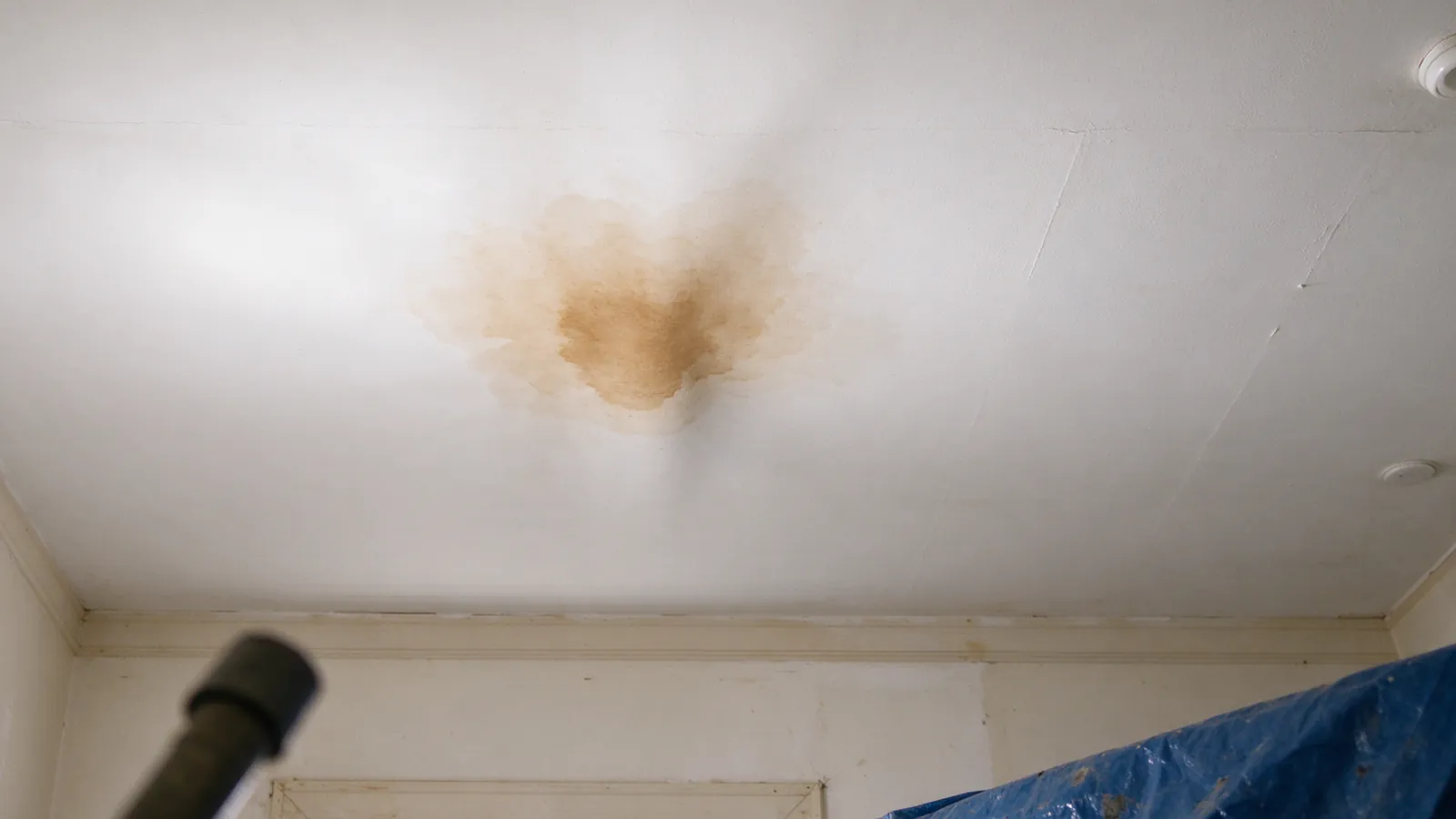
Gradual damage is treated differently. A slow drip inside a wall that has stained a ceiling for months, a joint that has seeped long enough to rot the subfloor, or mold that grew from a long-running leak are often excluded as wear, deterioration or continuous seepage. Policies vary in how they define each term, and some put a time limit on what counts as sudden. The policy’s water damage section and its exclusions are where the answer is.
The practical lesson: a leak that is found and stopped quickly is easier to claim than one that ran for months. That is one more reason to act on the first sign of a water leak rather than waiting to see whether it gets worse.
Why the repipe itself is rarely covered
Even when a policy pays for water damage, it usually does not pay to replace the pipe that failed, and almost never to replace the rest of the house’s piping. Corroded galvanized steel and thinning copper are wear, and replacing them is maintenance, the same way a roof at the end of its life is.
Some policies do pay part of the cost of reaching a leak, such as opening a wall or a floor to get to the failed section. That is different from paying for new pipe, and whether a policy includes it is a question for the policy wording. A whole-house repipe is an owner’s decision about the system, and it is paid for like one. The repipe cost guide covers typical Columbus-area ranges, starting at $4,000 to $15,000 or more for a whole-house job.
How insurers look at older pipe
Some insurers ask about plumbing age and material when they write or renew a policy, and their answers differ from company to company. One may ask whether a house still has galvanized steel or polybutylene; another may not ask at all. There is no single rule, and it would be wrong to say how any particular company handles it.
If an insurer raises the pipe, ask exactly what it wants to see. It may be a plumber’s written description of the materials, a permit record showing a repipe, or proof that a specific material was removed. A buyer can run into this before closing, which the guide to buying a house with old pipes covers.
Need a written record of what your pipe is?
A walk-through identifies the materials from the meter to the fixtures and puts them in writing.
Documenting a leak
If a pipe fails, stopping the water comes first: shut the main valve, and if the leak is on the hot side or near the water heater, turn the water heater off as well. The burst pipe guide walks through those steps. Then, before cleanup erases the evidence:
- Photograph everything. The wet area, the source if you can see it, the ceiling below, damaged belongings, with wide shots and close-ups.
- Note the time. When you found it, when you shut the water off, when you called anyone.
- Keep the failed pipe. Ask the plumber to save the section that was cut out. A split from freezing and a pinhole from corrosion look different, and the piece tells the story.
- Get the cause in writing. A short note from the plumber on what failed, where and why it likely failed is useful to an adjuster.
- Keep every invoice. Plumbing repair, water extraction, drying and any temporary repairs.
- Notify the insurer promptly. Most policies require prompt notice and reasonable steps to prevent further damage.
A leak detection visit can also document where a hidden leak is before any wall is opened.
Documenting a repipe
A repipe is worth recording as carefully as a leak. Keep the written scope listing what was replaced and what old pipe stays, the material, the permit number and inspection results, and the date. Give a copy to your insurance agent and ask whether the policy records need updating. The same papers answer a buyer’s inspector years later. If only part of the house was repiped, the record should say so plainly; the partial repiping page explains why that boundary matters.
The service line is a separate question
The buried service line from the street is not interior piping, and it is handled separately. Inside Columbus, the City’s lead service line program replaces lead and galvanized service lines on both sides at no charge to the owner during scheduled replacement while funding lasts, but the City also notes that owners are responsible for leaks on the private side before construction reaches them. The Columbus lead service line program guide explains how that program and its zero-interest LEAP loan work. Separate service line warranty products are sold to homeowners; read what they cover and exclude as carefully as a homeowners policy.
Where to take a question about your policy
Start with your agent or insurer and the policy itself, especially the declarations page, the water damage section and the exclusions. If you cannot get a clear answer, the Ohio Department of Insurance regulates insurers in the state and has a consumer services line for policy questions and complaints; its site is insurance.ohio.gov.
For the plumbing side of the decision, the repipe vs repair guide helps decide whether one leak means a spot repair or more. Call Slate Repiping Columbus when you want the pipe identified and the options written down.